
Rare disease awareness
Explore the day-to-day realities of rare disease and how diagnostic uncertainty, care coordination and access to support can affect families.
Discuss awareness trainingRare disease education & training
From the community. By the community.
We’re building a patient- and family-led consultancy that helps patient organisations grow and trains international teams whose work affects people living with rare disease.
Who we work with
Our Story
The decisions teams make about research, services and support shape everyday life for people living with rare disease.
Rare Voices Global was founded on the belief that patients and families should help shape how those teams learn. Their perspectives can reveal what formal training often leaves out, from navigating a diagnosis to managing care across services and borders.
We’re developing our training programmes and building a community of contributors. We welcome early conversations with organisations and potential collaborators.
Training
Training for patient organisations and for teams in pharma, biotech, research and healthcare. We also support patient organisations as they get started or plan their next stage.
Explore the day-to-day realities of rare disease and how diagnostic uncertainty, care coordination and access to support can affect families.
Discuss awareness trainingExamine how geography, language and resources shape access to diagnosis, research and care. Consider what your team can change.
Discuss equity trainingWork through how to involve patients and families early, agree how they’ll shape decisions and share what changes as a result.
Discuss engagement trainingGet support and training to build or develop a patient organisation. Clarify your purpose, set priorities with your community and turn them into a practical plan.
Discuss support and trainingExplore disability rights in the context of rare disease. Use practical scenarios to identify barriers, consider accessibility and inclusion, and find guidance relevant to your setting.
Discuss rights trainingOur Approach
We’re building a training model in which people with lived experience shape what teams learn and how they put it into practice.
Invite contributors to shape the learning goals, materials and activities from the start. Agree how their knowledge and time will be recognised.
Consider how experiences vary by condition, life stage, language and health system. Give contributors a choice about what they share and how.
Use guided discussion and scenarios to practise decisions your team faces, then identify a change to try in your own work.
Our People
We’re building a community of patients and families who want to shape and deliver professional learning. Our contributor network is still forming.
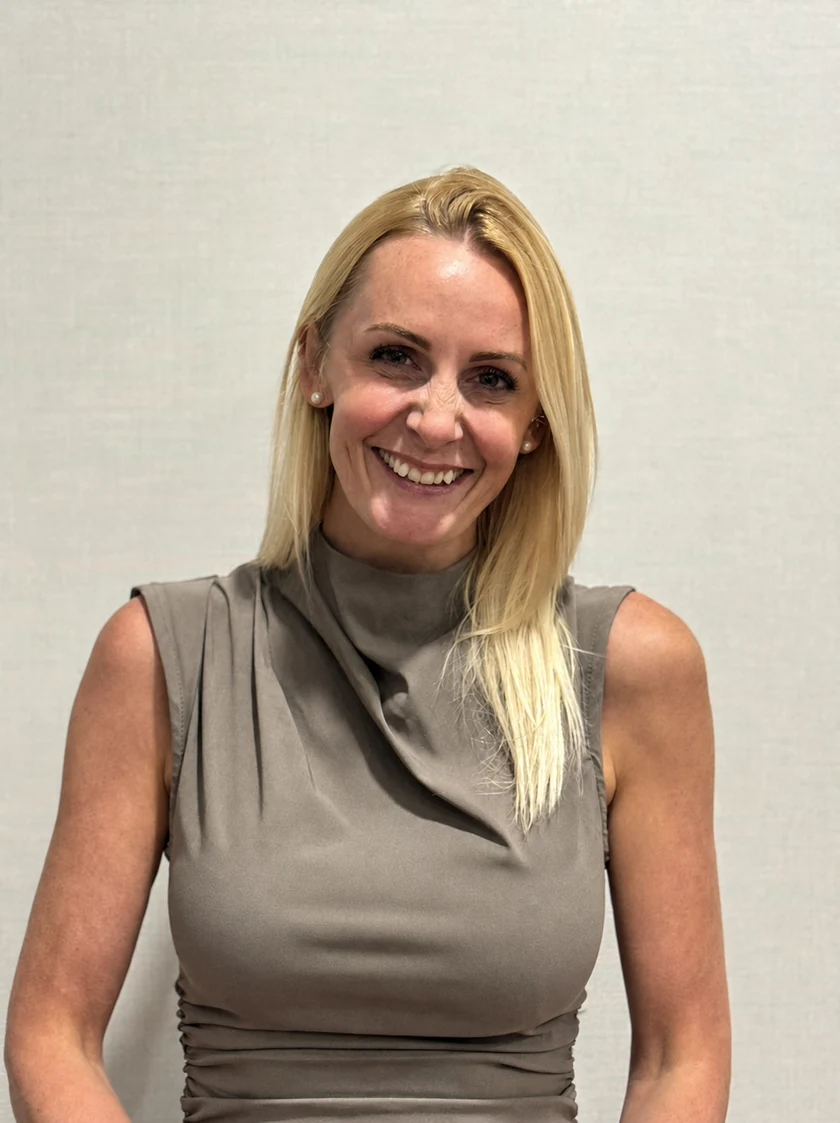
Rare Voices Global lead
Kirsty leads Rare Voices Global, bringing experience in charity leadership, rare disease advocacy and disability rights, as well as lived experience as a parent in the rare disease community.
She is Chief Executive of Metabolic Support, a charity for people affected by inherited metabolic disorders. She previously led Transport for All, where she advocated for disabled and older people’s right to accessible public transport.
Before moving into charity leadership, Kirsty worked internationally on access to arts and culture, sharing approaches to relaxed performances and making cultural spaces more accessible.
Fictional composite learning scenarios
After several referrals, an adult with unexplained symptoms has to retell their history at each appointment. What would make the next conversation more useful for them?
A parent manages appointments, school meetings and care plans alongside their job. How could a team make it easier for them to take part in a feedback session?
A family is interested in a trial, but repeated travel and unclear information about expenses make participation difficult. What should the study team revisit?
Contact
Tell us what your team wants to learn, what support your patient organisation needs or how you’d like to contribute.
contact@rarevoicesglobal.com